House Clearance in Victoria

House clearance in Victoria should feel organised, practical and respectful of the property you are leaving behind. We provide a straightforward service for clearing homes, helping with individual rooms, whole properties and mixed contents that need to be removed in a careful, methodical way. From single bulky items to fuller clearances, the work is planned around access, item type and the condition of the building so that the process stays controlled from the outset.
Our service is centred on house clearance and related property clearance work, with support for domestic spaces that need furniture, general household items and reusable belongings taken away. The aim is to leave rooms ready for their next use without unnecessary disruption. If you are comparing options, our house clearance service explains the main scope of work, while the sections below show how different property types and item categories can be handled in a practical way.
For a clear starting point, think about what needs to go, what should stay and whether anything requires extra care because of size, weight or condition. Our approach is built around the actual contents, not around a one-size-fits-all assumption. If you are ready to talk through a property clearance in Victoria, a brief outline is enough to begin a quotation request.
Whole-property clearance arranged to suit the contents

A full property clearance usually involves far more than moving a few obvious items. Furniture, bric-a-brac, textiles, boxed possessions, kitchen contents and loose household goods may all need handling together, and the order of work matters. We organise the clearance so that larger pieces can be removed safely before smaller items are sorted, which helps keep access clear and reduces the chance of avoidable damage to floors, doorways and fixtures. That structure is useful whether the property is emptying after a move, a refurbishment or a change of use.
When the contents are varied, a good clearance also needs sensible decisions about separation. Some items may be suitable for reuse, some may be recyclable and some will need straightforward disposal. We keep that practical distinction in view throughout the job, because it affects loading, handling and the overall pace of the work. If a property contains a mixture of sentimental pieces and ordinary household waste, we can work through the list in a calm and systematic way rather than treating everything the same.
Flat clearance for apartments, studios and managed buildings

Flat clearance often requires closer attention to shared entrances, stairwells, lifts and parking arrangements. With compact homes, the challenge is not only volume but also access, so the clearance plan needs to fit the building as well as the rooms themselves. Sofas, wardrobes, beds, white goods and smaller items can all be removed efficiently when the route out is considered in advance. That is particularly important where the property sits in a managed block or where access times are limited.
For flats and studios, the work can be tailored to the exact level of clearing required. Some customers only need a single room or storage area emptied, while others need the complete contents of a compact home removed. A structured service keeps those tasks distinct, so the right tools, labour and vehicle space can be matched to the job. If you are dealing with a lease-end, sale or renovation, a flat clearance page may help you understand the type of work involved.
The main benefit of organising the clearance carefully is that items leave the building in the right sequence. Large furniture is dealt with first, breakables are protected, and the final sweep can focus on the smaller bits that often take longer than expected. Clear access and sensible sorting help the job move smoothly without turning the property into a bottleneck.
Furniture removal and disposal for bulky household items
Bulky furniture can dominate a clearance job even when the rest of the property is relatively tidy. Beds, wardrobes, tables, chairs, shelving and cabinets all need to be assessed for size, weight and dismantling needs before they are moved. We handle furniture removal as part of a wider house clearance or as a focused job in its own right, depending on what the property contains. That flexibility is useful where only certain rooms need to be emptied or where only specific items are being replaced.
Not every furniture item is treated the same way. Some pieces may be reusable, some may be suited to material recovery and some may simply be worn out. A sensible clearance service accounts for those differences, because the handling method changes with each category. If you are looking at a smaller job involving only furnishings, the furniture clearance page and the related furniture disposal information show how we approach larger items without turning the process into guesswork.
Weight, access and dismantling are the main practical concerns with furniture work, especially in older houses or upper-floor homes. It is usually better to plan those details before the day rather than trying to improvise around narrow halls, awkward stairs or heavy fixtures. A brief summary of the items involved is usually enough to decide what resources are needed, and it helps us provide a quotation that reflects the actual task rather than a rough estimate based only on room count.
Loft and garage clearance for spaces that build up over time
Lofts and garages often collect the sort of items that are useful to keep nearby but awkward to sort later. Boxes, seasonal goods, old furniture, tools, sports equipment, spare household materials and forgotten storage all tend to accumulate until the space becomes difficult to use. A structured clearance makes it easier to recover the space without losing track of what should remain. That is why loft and garage work is usually best tackled with a plan for sorting, carrying and loading rather than simple removal.
The loft clearance and garage clearance services are suited to spaces where access may be tight and contents are often mixed together. We can clear a few selected items or work through the whole area, depending on what is stored there and how much of it needs to go. In both cases, the emphasis is on handling the space carefully while keeping the sequence of work efficient and easy to follow.
If the area includes dusty, fragile or awkwardly stacked items, the right pace matters. Rushing can create avoidable damage and can make it harder to distinguish between reusable belongings and ordinary waste. A deliberate approach helps with both. It also gives you a more accurate picture of the likely scale of the clearance, which is useful when you are preparing to request a quotation.
Home clearance choices for mixed domestic contents

Home clearance covers a broad set of domestic situations, from a few rooms full of surplus items to a larger property where many kinds of contents need dealing with together. It may include soft furnishings, shelves, ornaments, appliances, clothing, books and general household goods. The value of a properly structured home clearance is that it lets each category be handled in the right way rather than moving everything through the same route. That is especially helpful when some items should be kept back and others removed promptly.
We also support clearance work where the emphasis is on one or two specific rooms inside the home rather than the whole property. In those cases, the task may be simpler, but it still benefits from the same careful organisation. The home clearance and house clearance pages are useful if you want to compare the difference between a room-by-room approach and a complete domestic clearance. Both options can be adapted to the contents present.
When you are preparing an enquiry, it helps to note the kind of items involved, whether there are any heavy pieces, and whether the property has stairs, shared access or limited parking. That information does not need to be long or technical. A concise description is usually enough to guide the next step and avoid unnecessary back-and-forth. Simple preparation often leads to a clearer and more usable quotation.
What is usually included in a domestic clearance

Domestic clearances are rarely identical, but the work often includes a mixture of lifting, sorting and removal across several categories. Furniture and larger fittings may need to be carried first, then smaller items can be gathered and separated according to their condition and likely next step. The way the work is arranged depends on the property and the contents, which is why a brief description of the rooms involved is so useful before the clearance begins.
Pricing and quotes are naturally influenced by practical details such as the amount of material, the ease of access and whether anything requires dismantling or special handling. It is sensible to think about those factors early, not because they make the process difficult, but because they shape the time and resources needed for the job. A clear explanation of the property and the items helps keep the quotation relevant to the actual work.
Useful things to mention include: the number of rooms, whether items are upstairs, whether any appliances or large furniture pieces are involved, and whether you want all contents removed or only selected pieces. You do not need a perfect inventory to get started. A sensible summary is enough to move the conversation on and helps us answer your request in a practical way. If you are ready, ask for a quotation today.
Business waste and office clearance alongside domestic work
Although the main focus here is house clearance in Victoria, some customers also need help with business waste or office contents that sit alongside domestic items. Desks, chairs, filing cabinets, shelving, boxed archive material and general workplace equipment can create a separate clearance task that needs its own handling approach. That work is different from domestic furniture removal because it often involves more standardised items and a clearer need to keep usable equipment separate from general waste.
For workspaces, the clearance plan may depend on occupancy, access hours and the type of material stored on site. A small office strip-out is not the same as a general household clearance, so it is helpful to keep the jobs distinct when you request support. The office clearance and business waste removal pages provide a better fit for those situations, and they help set expectations about the sort of items involved.
Where a property contains both domestic and business-related contents, combining the two within one visit can sometimes be more efficient. Even then, the tasks should still be listed clearly so the work can be scheduled and loaded in the right order. That is the most reliable way to keep the job manageable and to avoid confusion over what must remain in place.
Clearance for outdoor areas, sheds and adjoining materials
Some house clearance projects extend beyond the main rooms and include outdoor or semi-outdoor areas such as sheds, side returns, outbuildings or garden stores. Those spaces can contain weathered items, tools, planters, broken furnishings, bagged materials and other possessions that have gathered away from the main living space. They often need a different handling rhythm from the house itself, because the contents may be exposed, stacked unevenly or mixed with waste that has built up over time.
The garden clearance and waste removal services are relevant where the work goes beyond ordinary household contents and into material that has accumulated outdoors. That might include containers, timber, old fixtures or broken items that are no longer useful. The important point is to identify these parts of the job separately, so they can be included in the quotation and handled without misunderstanding.
If your property has both indoor and outdoor clearing to arrange, it is worth grouping the items by area before you make contact. That makes it easier to decide what belongs in the same visit and what can be treated as a separate task. It also gives a clearer sense of the amount of loading and sorting required, which is valuable when the property contains more than one type of clearance work.
Recycling, reuse and careful disposal decisions
Many house clearance jobs involve a blend of items that can be reused, items that can be separated for material recovery and items that need straightforward disposal. A sensible clearance service keeps those categories distinct rather than mixing them all together. That matters because the handling route may change from one category to another, especially where furniture, fittings, appliances or mixed household goods are involved. It also helps the work stay transparent from the first loading pass to the final collection.
Our recycling and disposal approach is set out more fully on the recycling and sustainability page, which explains the general principles behind sorting and responsible handling. In practical terms, the aim is to make sure the right items are directed the right way without turning the clearance into a complicated process for the customer. Simple separation at the start often saves time later and avoids unnecessary confusion during the job.
Where the contents are mixed, a clear list of what stays and what goes is more useful than a long explanation. Marking out the items you want retained can be enough to keep the process on track. If there are fragile pieces, bulky furniture or items with a history worth preserving, mention them clearly so they can be handled with suitable care. That gives the quotation a better factual basis and reduces the chance of avoidable mistakes.
About Victoria
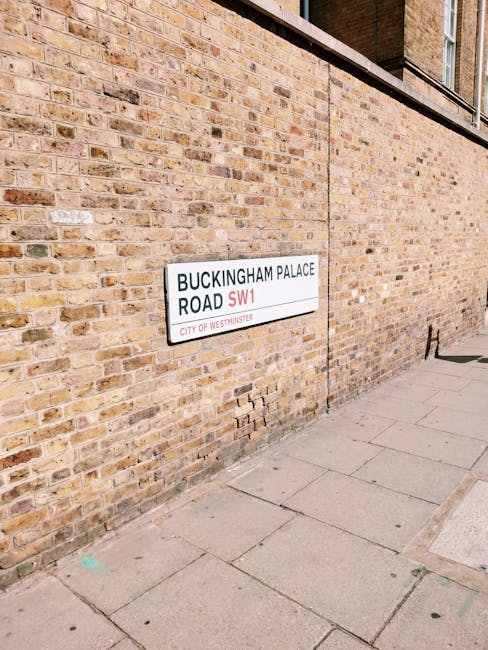
Victoria is a district in central London, within the City of Westminster, known for its strong transport connections and close relationship with the broader civic and commercial heart of the capital. The area grew significantly in the nineteenth century after the arrival of Victoria Station, which became one of London’s major rail termini and helped shape the surrounding streets into a busy interchange of movement, hotels, offices and public buildings. The station itself is still a defining feature of the district, linking rail, Underground and bus travel in a way that gives the locality a distinctly urban rhythm. Nearby streets include a mix of late Victorian and later commercial architecture, with large buildings, terraces and rebuilt frontages reflecting the area’s evolution over time. Westminster Cathedral, completed in the early twentieth century, stands as one of the most recognisable landmarks in the district and adds an important architectural note with its distinctive Byzantine style. The area also sits close to Buckingham Palace, the Houses of Parliament and the green open space of St James’s Park, which together place Victoria within one of the most concentrated historical settings in London. Despite the pressure of traffic and redevelopment, the district retains a clear identity as a transport gateway and working part of the West End, where offices, hospitality venues and public institutions sit alongside residential streets and civic landmarks.
Quotation details and how to request the next step
When you are ready to move from planning to action, a quotation should reflect the actual contents, access and scope of the clearance rather than a vague estimate. That is why it helps to say whether you need one room, several rooms or a full property, and whether the work includes larger pieces that may need extra handling. If the property is occupied, empty, part-filled or split across levels, that is also worth mentioning because it affects the work sequence and the time required.
The most useful enquiries are concise but specific. Mention any items that are especially heavy, difficult to move or likely to need dismantling, and let us know whether there are shared entrances, tight stairs or limited parking. You can then use the relevant service page, including contact us, to make the request in a straightforward way. If you prefer to understand the structure of the work first, pricing and quotes is a sensible page to review before sending the details.
Request your quotation when you are ready; a clear description of the property and contents is usually enough to begin. Whether the job is a full house clearance, a flat, loft or garage, the aim is to give you a practical plan that fits the space and the items involved. Simple, accurate information is the best starting point for a useful response.