Comprehensive Guide to Business Waste Removal in Victoria
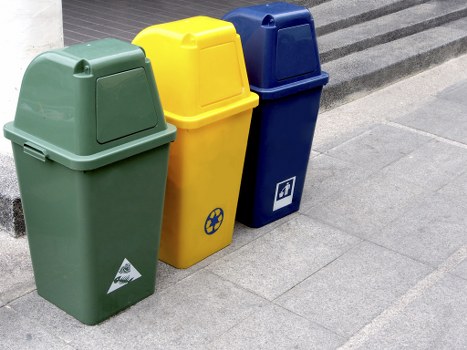
The image displays three upright recycling bins positioned on a paved urban footpath, adjacent to a building's exterior wall. The first bin at the left is green with a rounded, smooth textured plastic surface and a matching hinged lid, featuring a white recycling symbol on the front. The middle bin is bright yellow, slightly taller, with a similar smooth plastic surface and an integrated lid, displaying a small circular label with a recycling icon below the lid. The third bin on the right is dark blue, with a similar design, also having a matching lid, and a white rectangular label with an icon indicating general rubbish. The bins are placed side by side on a grey concrete pavement, with shadows cast by natural daylight, suggesting clear weather. In the background, part of the building's grey wall and a step leading up to a door are visible. These bins are characteristic of waste or rubbish collection services, such as those offered by Victoria House Clearance, for urban waste management in the town or city area near Victoria, UK, associated with professional rubbish removal services.

Efficient business waste removal in Victoria is essential for maintaining a clean and sustainable work environment. Whether you operate a small office or a large industrial facility, managing waste effectively can lead to significant environmental and economic benefits.

Victoria has specific regulations and guidelines that businesses must adhere to when it comes to waste management. Understanding these rules is crucial to ensure compliance and avoid potential fines or legal issues.

Implementing a robust waste removal system can also enhance your company's reputation, demonstrating a commitment to sustainability and social responsibility.
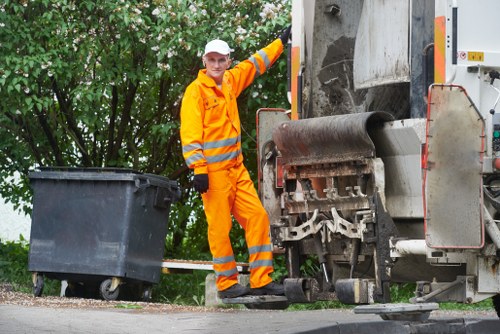
A waste management operative wearing high-visibility orange protective clothing, including reflective stripes and a white hard hat, stands beside a large commercial rubbish collection vehicle on a suburban street. The worker is positioned at the rear of the vehicle, which features a metal hopper and mechanical lifting equipment for bin emptying. On the left side of the image, a black wheeled rubbish bin is placed on the pavement. The background includes green foliage and trees, indicating a residential or urban area. The scene is well-lit with natural daylight, emphasizing the professional waste collection process, which is managed by Victoria House Clearance in Victoria, focusing on efficient rubbish removal services in the local area.

Why Proper Waste Removal Matters

Proper waste removal is not just about keeping your workspace tidy; it's a critical factor in promoting environmental sustainability. By effectively managing waste, businesses can reduce their carbon footprint and contribute to a healthier planet.

In addition to environmental benefits, efficient waste management can lead to cost savings. Proper segregation and disposal can reduce the amount of waste sent to landfills, potentially lowering disposal fees.

Moreover, adhering to waste removal regulations helps avoid legal complications and supports the community by minimizing pollution and other negative externalities.
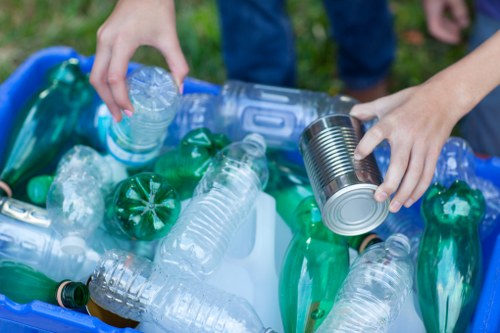
Close-up of a person's hands sorting recyclable waste, with one hand holding a clear plastic bottle and the other grasping a metallic tin can, both being placed into a blue recycling bin filled with various plastic bottles and containers. The plastic bottles are in different shades of clear, green, and blue, with some featuring labels or caps, and the tin can has a metallic finish with a ridged surface. The background shows a grassy outdoor area, indicating an environmentally-focused waste collection activity typical of rubbish removal services in the Victoria area. The scene highlights environmentally conscious disposal practices consistent with rubbish clearance associated with local businesses or residents seeking professional waste management in the region.

Types of Business Waste

Businesses generate various types of waste, each requiring specific handling and disposal methods:

  • General Waste: Non-recyclable and non-hazardous materials.
  • Recyclable Waste: Materials like paper, plastics, glass, and metals that can be reprocessed.
  • Hazardous Waste: Substances that pose significant risks to health or the environment, such as chemicals and electronic waste.
  • Organic Waste: Biodegradable materials like food scraps and garden waste.

Understanding the classification of waste is the first step in effective waste management.
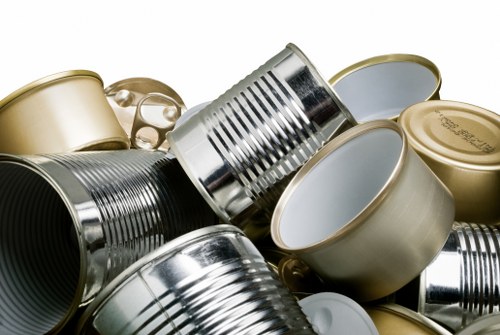
A close-up image showing an assortment of aluminium cans, with some appearing crushed and others intact. The cans are in metallic silver and gold tones, with ridged textures and smooth, curved surfaces. They are stacked and overlapping on a flat surface, with a blurred background that suggests an indoor or outdoor environment suitable for waste collection. The lighting highlights the reflective quality of the metal surfaces, emphasizing their shiny finish. The image includes both open and closed cans, indicative of recyclable material often handled during rubbish removal services in the Victoria area. The scene illustrates the type of metallic waste that Victoria House Clearance might manage as part of their business waste removal operations in London or surrounding regions, subtly referencing efficient disposal or recycling of packaging waste.

Best Practices for Waste Removal

Adopting best practices in waste removal can streamline your operations and enhance sustainability efforts:

  1. Waste Audit: Conduct a comprehensive assessment to identify the types and quantities of waste produced.
  2. Segregation: Separate waste at the source to facilitate recycling and proper disposal.
  3. Partner with Reputable Providers: Collaborate with waste removal services that comply with local regulations and have a proven track record.
  4. Employee Training: Educate staff on waste management policies and encourage responsible practices.
  5. Regular Monitoring: Continuously evaluate and improve your waste management strategies.

Implementing these practices can lead to more efficient waste removal and a positive impact on both your business and the environment.

A man with dark hair and a beard, dressed in a light purple shirt, is holding a large blue recycling bin filled with clear plastic bottles, some with blue caps, placed on a kitchen countertop. Behind him, a woman with brown hair tied back, wearing a white top, is standing near a green recycling bin with a blue recycling symbol, situated on the same countertop. The kitchen features light wooden cabinets, a stainless steel sink, and a wooden dish rack with a woven basket on top. The environment is well-lit, with a clean and modern appearance, typical of a domestic setting. The scene depicts the process of waste sorting and recycling in a home environment, consistent with services offered by Victoria House Clearance for rubbish removal, including household waste management in the Victoria area.

Choosing the Right Waste Removal Service

Selecting a reliable waste removal service in Victoria involves considering several factors:

  • Experience and Expertise: Ensure the provider has extensive experience in handling different types of business waste.
  • Compliance: Verify that the service adheres to all local and state regulations.
  • Sustainability Practices: Choose companies that prioritize recycling and environmentally friendly disposal methods.
  • Cost-Effectiveness: Compare pricing structures to find a service that offers value without compromising quality.
  • Customer Service: Opt for providers with excellent customer support and responsive service teams.

Taking the time to evaluate these aspects ensures you partner with a waste removal service that aligns with your business needs and sustainability goals.

The image displays three upright recycling bins positioned on a paved urban footpath, adjacent to a building's exterior wall. The first bin at the left is green with a rounded, smooth textured plastic surface and a matching hinged lid, featuring a white recycling symbol on the front. The middle bin is bright yellow, slightly taller, with a similar smooth plastic surface and an integrated lid, displaying a small circular label with a recycling icon below the lid. The third bin on the right is dark blue, with a similar design, also having a matching lid, and a white rectangular label with an icon indicating general rubbish. The bins are placed side by side on a grey concrete pavement, with shadows cast by natural daylight, suggesting clear weather. In the background, part of the building's grey wall and a step leading up to a door are visible. These bins are characteristic of waste or rubbish collection services, such as those offered by Victoria House Clearance, for urban waste management in the town or city area near Victoria, UK, associated with professional rubbish removal services.

Regulations and Compliance

Victoria has stringent regulations governing business waste removal. Non-compliance can result in hefty fines and damage to your company’s reputation. Key regulations include:

  • Waste Management Act: Outlines the responsibilities of businesses in managing and disposing of waste.
  • Recycling Regulations: Mandates the segregation and recycling of specific waste types.
  • Hazardous Waste Handling: Requires proper storage, transportation, and disposal of hazardous materials.

Staying informed about these regulations and regularly updating your waste management policies is essential for ongoing compliance.

A waste management operative wearing high-visibility orange protective clothing, including reflective stripes and a white hard hat, stands beside a large commercial rubbish collection vehicle on a suburban street. The worker is positioned at the rear of the vehicle, which features a metal hopper and mechanical lifting equipment for bin emptying. On the left side of the image, a black wheeled rubbish bin is placed on the pavement. The background includes green foliage and trees, indicating a residential or urban area. The scene is well-lit with natural daylight, emphasizing the professional waste collection process, which is managed by Victoria House Clearance in Victoria, focusing on efficient rubbish removal services in the local area.

Benefits of Professional Waste Removal Services

Outsourcing waste removal to professional services offers numerous advantages:

  1. Efficiency: Experts can handle waste removal more quickly and effectively than in-house teams.
  2. Safety: Professional services are trained to manage hazardous materials safely, reducing the risk of accidents.
  3. Cost Savings: Eliminates the need for investing in waste management infrastructure and resources.
  4. Focus on Core Business: Allows your team to concentrate on primary business activities without the distraction of waste management.
  5. Environmental Impact: Professional services can help your business implement more sustainable waste practices.

These benefits contribute to a more streamlined and responsible approach to business waste management.

Close-up of a person's hands sorting recyclable waste, with one hand holding a clear plastic bottle and the other grasping a metallic tin can, both being placed into a blue recycling bin filled with various plastic bottles and containers. The plastic bottles are in different shades of clear, green, and blue, with some featuring labels or caps, and the tin can has a metallic finish with a ridged surface. The background shows a grassy outdoor area, indicating an environmentally-focused waste collection activity typical of rubbish removal services in the Victoria area. The scene highlights environmentally conscious disposal practices consistent with rubbish clearance associated with local businesses or residents seeking professional waste management in the region.

Innovative Waste Management Solutions

Advancements in technology have paved the way for innovative waste management solutions that enhance efficiency and sustainability:

  • Automated Sorting Systems: Utilize AI and robotics to sort waste more accurately and swiftly.
  • Waste-to-Energy: Convert non-recyclable waste into usable energy, reducing landfill dependency.
  • Smart Waste Bins: Equipped with sensors to monitor waste levels and optimize collection schedules.
  • Recycling Innovations: Develop new methods to recycle materials that were previously non-recyclable.

Adopting these technologies can significantly improve your business’s waste removal processes and environmental footprint.

A close-up image showing an assortment of aluminium cans, with some appearing crushed and others intact. The cans are in metallic silver and gold tones, with ridged textures and smooth, curved surfaces. They are stacked and overlapping on a flat surface, with a blurred background that suggests an indoor or outdoor environment suitable for waste collection. The lighting highlights the reflective quality of the metal surfaces, emphasizing their shiny finish. The image includes both open and closed cans, indicative of recyclable material often handled during rubbish removal services in the Victoria area. The scene illustrates the type of metallic waste that Victoria House Clearance might manage as part of their business waste removal operations in London or surrounding regions, subtly referencing efficient disposal or recycling of packaging waste.

Case Studies: Successful Waste Removal in Victoria

Several businesses in Victoria have successfully implemented effective waste removal strategies:

  • TechCorp Solutions: Reduced their waste output by 30% through comprehensive recycling programs and employee training.
  • Green Manufacturing: Implemented waste-to-energy systems, converting production waste into renewable energy for their facilities.
  • EcoRetail: Partnered with local waste removal services to ensure all recyclable materials are properly processed, enhancing their sustainability credentials.

These examples demonstrate the tangible benefits of prioritizing effective waste removal practices.

A man with dark hair and a beard, dressed in a light purple shirt, is holding a large blue recycling bin filled with clear plastic bottles, some with blue caps, placed on a kitchen countertop. Behind him, a woman with brown hair tied back, wearing a white top, is standing near a green recycling bin with a blue recycling symbol, situated on the same countertop. The kitchen features light wooden cabinets, a stainless steel sink, and a wooden dish rack with a woven basket on top. The environment is well-lit, with a clean and modern appearance, typical of a domestic setting. The scene depicts the process of waste sorting and recycling in a home environment, consistent with services offered by Victoria House Clearance for rubbish removal, including household waste management in the Victoria area.

Cost Factors in Business Waste Removal

Understanding the cost factors involved in waste removal can help businesses budget effectively:

  • Volume of Waste: Larger quantities typically incur higher disposal fees.
  • Type of Waste: Hazardous or specialized waste often requires more expensive handling and disposal methods.
  • Frequency of Collection: More frequent pickups can increase costs but may be necessary for certain businesses.
  • Recycling Services: Additional services like recycling or waste-to-energy can affect overall pricing.
  • Contract Terms: Long-term contracts may offer cost savings compared to one-time services.

By understanding these factors, businesses can make informed decisions to optimize waste removal costs.

The image displays three upright recycling bins positioned on a paved urban footpath, adjacent to a building's exterior wall. The first bin at the left is green with a rounded, smooth textured plastic surface and a matching hinged lid, featuring a white recycling symbol on the front. The middle bin is bright yellow, slightly taller, with a similar smooth plastic surface and an integrated lid, displaying a small circular label with a recycling icon below the lid. The third bin on the right is dark blue, with a similar design, also having a matching lid, and a white rectangular label with an icon indicating general rubbish. The bins are placed side by side on a grey concrete pavement, with shadows cast by natural daylight, suggesting clear weather. In the background, part of the building's grey wall and a step leading up to a door are visible. These bins are characteristic of waste or rubbish collection services, such as those offered by Victoria House Clearance, for urban waste management in the town or city area near Victoria, UK, associated with professional rubbish removal services.

Environmental Impact of Waste Removal

Effective waste removal has a significant positive impact on the environment:

  • Reduction in Landfill Usage: Minimizing waste sent to landfills conserves space and reduces methane emissions.
  • Promotion of Recycling: Enhances the recycling rate, conserving natural resources and reducing the need for raw material extraction.
  • Lower Carbon Footprint: Efficient waste management practices can reduce greenhouse gas emissions associated with waste transportation and processing.
  • Pollution Prevention: Proper disposal of hazardous waste prevents soil and water contamination.

These environmental benefits underscore the importance of prioritizing effective waste removal strategies.

A waste management operative wearing high-visibility orange protective clothing, including reflective stripes and a white hard hat, stands beside a large commercial rubbish collection vehicle on a suburban street. The worker is positioned at the rear of the vehicle, which features a metal hopper and mechanical lifting equipment for bin emptying. On the left side of the image, a black wheeled rubbish bin is placed on the pavement. The background includes green foliage and trees, indicating a residential or urban area. The scene is well-lit with natural daylight, emphasizing the professional waste collection process, which is managed by Victoria House Clearance in Victoria, focusing on efficient rubbish removal services in the local area.

Implementing a Waste Management Plan

Developing a comprehensive waste management plan is critical for successful waste removal:

  1. Assess Current Waste: Identify the types and quantities of waste your business generates.
  2. Set Goals: Define what you aim to achieve, such as reducing waste by a certain percentage or increasing recycling rates.
  3. Develop Strategies: Outline the methods and practices you will use to manage waste effectively.
  4. Allocate Resources: Ensure you have the necessary tools, personnel, and budget to implement the plan.
  5. Monitor and Review: Regularly assess the effectiveness of your waste management strategies and make adjustments as needed.

A well-structured waste management plan can drive meaningful improvements in your waste removal processes.

Close-up of a person's hands sorting recyclable waste, with one hand holding a clear plastic bottle and the other grasping a metallic tin can, both being placed into a blue recycling bin filled with various plastic bottles and containers. The plastic bottles are in different shades of clear, green, and blue, with some featuring labels or caps, and the tin can has a metallic finish with a ridged surface. The background shows a grassy outdoor area, indicating an environmentally-focused waste collection activity typical of rubbish removal services in the Victoria area. The scene highlights environmentally conscious disposal practices consistent with rubbish clearance associated with local businesses or residents seeking professional waste management in the region.

Training and Employee Engagement

Engaging employees in waste removal initiatives is vital for success. Training programs should focus on:

  • Waste Segregation: Educate staff on how to properly separate different types of waste.
  • Sustainability Practices: Promote practices that reduce waste generation and encourage recycling.
  • Safety Protocols: Ensure employees understand how to handle hazardous materials safely.

Active participation from all team members fosters a culture of responsibility and sustainability within the organization.

A close-up image showing an assortment of aluminium cans, with some appearing crushed and others intact. The cans are in metallic silver and gold tones, with ridged textures and smooth, curved surfaces. They are stacked and overlapping on a flat surface, with a blurred background that suggests an indoor or outdoor environment suitable for waste collection. The lighting highlights the reflective quality of the metal surfaces, emphasizing their shiny finish. The image includes both open and closed cans, indicative of recyclable material often handled during rubbish removal services in the Victoria area. The scene illustrates the type of metallic waste that Victoria House Clearance might manage as part of their business waste removal operations in London or surrounding regions, subtly referencing efficient disposal or recycling of packaging waste.

Technological Tools for Waste Management

Leveraging technology can enhance the efficiency of your waste removal processes:

  • Waste Management Software: Track waste generation, disposal, and recycling rates.
  • Automation Tools: Streamline waste collection and sorting to reduce manual effort.
  • Data Analytics: Analyze waste data to identify trends and opportunities for improvement.

Incorporating these tools can lead to more informed decision-making and optimized waste management strategies.

A man with dark hair and a beard, dressed in a light purple shirt, is holding a large blue recycling bin filled with clear plastic bottles, some with blue caps, placed on a kitchen countertop. Behind him, a woman with brown hair tied back, wearing a white top, is standing near a green recycling bin with a blue recycling symbol, situated on the same countertop. The kitchen features light wooden cabinets, a stainless steel sink, and a wooden dish rack with a woven basket on top. The environment is well-lit, with a clean and modern appearance, typical of a domestic setting. The scene depicts the process of waste sorting and recycling in a home environment, consistent with services offered by Victoria House Clearance for rubbish removal, including household waste management in the Victoria area.

Future Trends in Business Waste Removal

The field of business waste removal is continually evolving with emerging trends:

  1. Circular Economy: Emphasizes reusing and recycling materials to create a closed-loop system.
  2. Green Packaging: Focuses on using sustainable materials and reducing packaging waste.
  3. Advanced Recycling Technologies: Develops new methods for recycling complex materials.
  4. Zero Waste Initiatives: Strives to eliminate all waste through comprehensive waste management strategies.
  5. Blockchain for Waste Tracking: Utilizes blockchain technology to ensure transparency and accountability in waste management.

Staying abreast of these trends can position your business at the forefront of sustainable waste management practices.

The image displays three upright recycling bins positioned on a paved urban footpath, adjacent to a building's exterior wall. The first bin at the left is green with a rounded, smooth textured plastic surface and a matching hinged lid, featuring a white recycling symbol on the front. The middle bin is bright yellow, slightly taller, with a similar smooth plastic surface and an integrated lid, displaying a small circular label with a recycling icon below the lid. The third bin on the right is dark blue, with a similar design, also having a matching lid, and a white rectangular label with an icon indicating general rubbish. The bins are placed side by side on a grey concrete pavement, with shadows cast by natural daylight, suggesting clear weather. In the background, part of the building's grey wall and a step leading up to a door are visible. These bins are characteristic of waste or rubbish collection services, such as those offered by Victoria House Clearance, for urban waste management in the town or city area near Victoria, UK, associated with professional rubbish removal services.

Conclusion

Effective business waste removal in Victoria is a critical component of sustainable business operations. By understanding the types of waste, adhering to regulations, and implementing best practices, businesses can achieve significant environmental and economic benefits.

Investing in professional waste removal services and embracing innovative solutions can further enhance your waste management efforts. Engaging employees and leveraging technology are also key factors in building a robust waste management system.

Take proactive steps today to optimize your waste removal processes and contribute to a greener, more sustainable future for Victoria.

Contact us today to learn more about our comprehensive business waste removal services and how we can help your company achieve its sustainability goals.

Call Now!
Victoria House Clearance

Discover Victoria House Clearance services offering efficient, reliable, and environmentally responsible property clearance tailored to your needs.

Book Your House Clearance Now

Get In Touch With Us.

Please fill out the form and we will get back to you as soon as possible.