Your Journey to Reducing Plastic Waste Starts Here
Plastic waste is one of the most pressing environmental challenges of our time. The good news is, each of us can become part of the solution. By embarking on your journey to reducing plastic waste, you not only help protect the planet, but you also foster healthier communities and set an example for future generations.
Understanding the Impact of Plastic Waste
The world produces over 300 million tons of plastic each year, and a significant portion ends up in landfills and oceans. Single-use plastics are particularly problematic, as they often have a lifespan of just a few minutes but can persist in the environment for hundreds of years.
- Oceans are clogged with plastic: Over 8 million tons of plastic enter our oceans annually, harming wildlife and polluting fragile marine ecosystems.
- Harm to animals: Thousands of sea turtles, seabirds, and fish die each year after ingesting or becoming entangled in plastic debris.
- Microplastics in our food chain: As larger plastics break down, tiny microplastics make their way into the food we eat, presenting unknown health risks.
Reducing single-use plastic waste isn't just about keeping our surroundings clean - it's about safeguarding global health and ensuring a livable planet for generations to come.

Why Begin Reducing Plastic Waste Now?
There has never been a better or more urgent time to take action against plastic waste. Scientists warn that plastic production will only increase if we don't change our habits. Fortunately, every small step you take on your plastic reduction journey makes a real impact.
- Conserve natural resources
- Reduce pollution and greenhouse gas emissions
- Protect animals and marine life
- Promote a healthier environment
- Encourage sustainable and circular economies
Simple Steps to Start Reducing Your Plastic Waste
Starting your plastic-free journey might seem overwhelming, but the key is to make practical and lasting changes. Here are several effective strategies to help you reduce your plastic consumption from today:
1. Assess and Track Your Plastic Use
Begin by evaluating the amount of plastic you use daily, weekly, or monthly. Keep a journal for a week and note all the plastic products you use. This self-awareness can have a powerful impact and help you identify the most critical areas for change.
- List all single-use plastics you touch in a day
- Find the most common sources (water bottles, food packaging, grocery bags, etc.)
- Challenge yourself to reduce one item per week
2. Swap Out Single-Use Plastics for Reusables
One of the easiest ways to make a difference is by switching to reusable alternatives. Here are some swaps you can incorporate into your life almost immediately:
- Reusable shopping bags: Carry cloth or mesh bags for groceries and retail purchases.
- Refillable water bottles: Choose stainless steel or BPA-free bottles and bring them wherever you go.
- Reusable coffee cups and straws: Bring your own to cafes, offices, and anywhere you buy beverages.
- Food containers: Replace plastic wrap and bags with glass or metal containers.
Many retailers now support these measures, and some even offer discounts for bringing your own containers and cups.
3. Make Smart Choices When Shopping
Every purchase is a vote for the kind of future you want. Choosing products with less or no plastic packaging can significantly decrease your plastic footprint.
- Buy in bulk to reduce packaging waste
- Choose products packaged in cardboard, glass, or metal
- Support companies committed to sustainable and minimal packaging
- Shop at farmers' markets and local stores that use less plastic
4. Rethink Personal Care and Cleaning Products
Bathrooms and kitchens are hotspots for unnecessary plastic. Luckily, there are plastic-free alternatives for nearly every personal and household item.
- Switch to bar soap instead of liquid soap in plastic bottles
- Try shampoo and conditioner bars
- Brush with bamboo toothbrushes and eco-friendly toothpaste tablets
- Make cleaning supplies at home using vinegar, baking soda, and essential oils
5. Refuse Where You Can
Before accepting a new plastic item, ask yourself if you really need it. Saying "no" to unnecessary plastic is one of the most powerful steps you can take.
- Politely refuse plastic straws, cutlery, and condiment packets
- Decline freebies or samples made from or wrapped in plastic
- Avoid single-use plastics at parties and events by planning ahead
Advanced Strategies to Reduce Plastic Waste
Ready to take your plastic waste reduction journey even further? Here are some tips for more committed eco-warriors:
Compostable and Biodegradable Alternatives
Where reusables aren't practical, look for compostable products made from materials like cornstarch, bamboo, or paper. Remember: these need to be composted properly; otherwise, they may not break down as intended.
Get Involved in Local Community Initiatives
Many towns host beach cleanups, recycling drives, and educational campaigns to combat plastic pollution. Volunteering is a great way to meet like-minded people and make a tangible difference.
- Participate in "plastic-free" challenges or campaigns (like Plastic Free July)
- Encourage your workplace or school to adopt plastic-free policies
- Organize or join cleanup events in your neighborhood
Support Legislation and Sustainable Innovations
Governments around the world are taking steps to reduce plastic waste. Support bans on certain single-use plastics, and urge leaders to pass legislation encouraging the development of sustainable materials.
- Write to local representatives about supporting recycling and zero-waste initiatives
- Share information about innovative companies creating biodegradable or reusable products
Plastic Recycling: What You Need to Know
Not all plastic is created equal, and unfortunately, not all types are recyclable. Understanding the recycling codes and your local facilities' capabilities is critical to ensure your efforts are effective.
- Only plastics labeled with codes 1 (PET) and 2 (HDPE) are widely accepted in most recycling systems.
- Clean and dry containers before placing them in your recycling bin.
- Many soft plastics, like bags and wraps, require special drop-off points.
- If in doubt, check with your municipal waste services.
Educate Others: Share Your Plastic-Free Journey
Leading by example is a powerful way to inspire others. Talk to your family, friends, and co-workers about the challenges and rewards of reducing plastic waste. Sharing your journey online can make your efforts even more impactful.
- Post tips, progress photos, and stories on social media using #ReducePlasticWaste
- Host workshops or presentations to share what you've learned
- Encourage group challenges for friends or colleagues
Overcoming Common Challenges
Like any lifestyle change, the path to reducing plastic waste isn't always smooth. Common obstacles include convenience, cost, and availability of alternatives. Here's how to overcome these hurdles:
- Start small: Focus on one or two plastic products at a time to avoid overwhelm.
- Plan ahead: Keep a reusable shopping kit (bags, straws, bottles) in your car or backpack.
- Support each other: Engage your community and share tips for sourcing affordable, effective alternatives.
- Be persistent: Setbacks are normal - what matters is your continued dedication and progress.
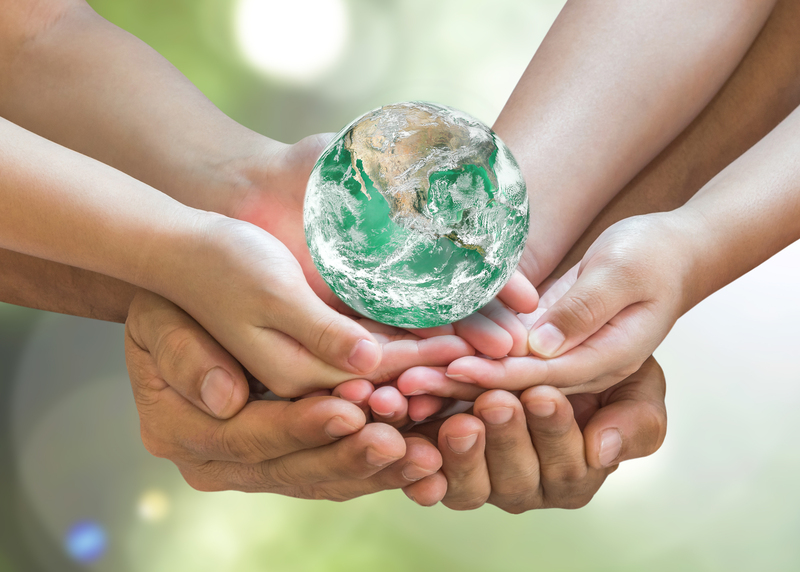
The Big Picture: Why Your Journey Matters
Every piece of plastic saved counts. When millions of individuals commit to reducing plastic waste, the effect is enormous. Not only does it cut pollution, but it also signals to companies and lawmakers that sustainable practices are essential.
The journey to a plastic-free lifestyle:
- Reduces landfill burden and pollution in ecosystems
- Protects wildlife from toxic debris
- Promotes innovation in materials and product design
- Builds momentum for global change
Conclusion: Your Next Steps to Reducing Plastic Waste
Reducing plastic waste is more than a trend - it's a personal commitment that shapes the world for the better. Start today by making small, intentional changes. Stay informed, be proactive, and know that every action, no matter how minor it seems, adds up to a significant collective impact.
Your journey to reducing plastic waste starts here. Whether you swap out a single-use bag for a cloth tote or champion zero-waste initiatives in your community, you are paving the way for a cleaner, greener planet. Begin now - your future self, your community, and the Earth will thank you.